
Heart Health Check and Monitoring
Reduce your risk of cardiovascular disease with our confidential assessments using advanced ECG and Echocardiogram heart health checks.
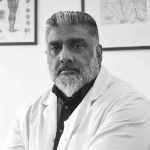
“Heart disease can develop over years, but lifestyle changes can accelerate your risks, in some cases without any clear symptoms. To help you get the best possible outcomes, identification, prevention, and ongoing heart scans are key.”
Imran Khan, TransformNow Founder
Who should get a heart scan and what do they detect?
You may need a scan if you have any of the following:
- Chest pain
- Dizziness, lightheadedness or confusion
- Heart palpitations
- Rapid pulse
- Shortness of breath
- Weakness, fatigue or a decline in ability to exercise
Scans can help detect:
- Damage from a previous heart attack
- Heart failure
- Congenital heart disease (birth defects affecting the heart)
- Problems with your heart valves
- Cardiomyopathy (thickening of the heart walls)
- Endocarditis (an infection of the heart valves)
- Abnormal heart rhythms
- If blocked or narrowed arteries are causing chest pains
- How well treatments like pacemakers are working
Our services for a healthy heart
From heart scans and monitoring to blood tests and understanding your genetic risks to heart disease, we provide a comprehensive healthy heart service.
Electrocardiogram (ECG)
An electrocardiogram essentially records the electrical activity and signals in your heart. It’s a common and painless test used to quickly detect heart problems and monitor your heart’s health.
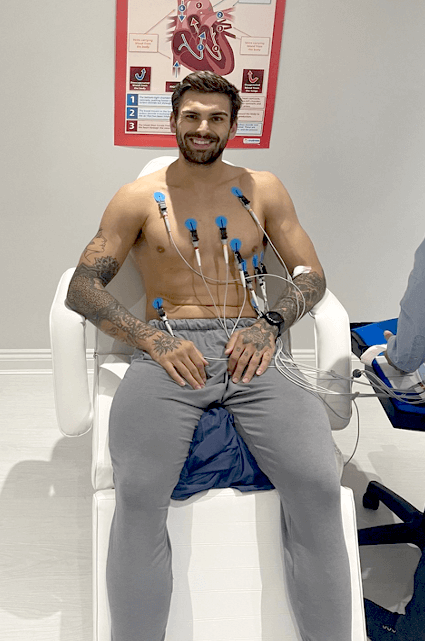
“12-lead ECG” uses a total of 10 electrodes: six on your chest and one each on the lower arms and calves.
Resting ECG – Involves laying still and completed within 5 minutes.
Exercise ECG – Electrical activity of your heart is measured while you are physically active.
Holter monitor – The electrical activity of the heart is typically recorded over a period of 24 hours.
Echocardiogram
An echocardiogram can help diagnose certain heart conditions by checking the structure of the heart and blood vessels, analyzing how blood flows through them, and assessing the chambers of the heart.
There are several different ways an echocardiogram can be carried out, but most people will have a transthoracic echocardiogram (TTE).
TTE – Sticky sensors are attached to your chest. An ultrasound probe is moved across your chest.
Stress echocardiogram – carried out during or just after a period of exercise on a treadmill or exercise bike
Contrast echocardiogram – a harmless contrast agent is injected into your bloodstream and can help create a better image of your heart.
Transoesophageal echocardiogram (TOE) – a small probe is passed down the throat into your gullet and stomach. Your throat will be numbed with local anesthetic spray and you’ll be given a sedative to help you relax.
Blood Testing
Identify the current state of your heart and blood.
Genetic Health and DNA Testing
Understand your genetic risk to heart disease.
Understand your results and stay strong
- Throughout the scans we explain what we’re checking and what your results mean in plain English. You get actionable recommendations to improve your health and performance.
- We provide a one-to-one service and alert you about follow-up assessments, treatment, and lifestyle advice on a regular basis
- Our ongoing research into sports and performance optimisation is translated into real plans. No pseudo-science, just fitter, stronger clients at the top of their game!
Our specialists
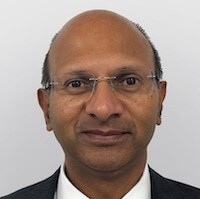
Professor Kiran Patel
MB B Chir, MA, BA Hons, PhD, FRCP
Consultant Cardiologist
Professor Patel is a Consultant Cardiologist and Medical Director at University Hospitals of Coventry and Warwickshire. He has a specialist interest in heart failure and device therapy.
Learn more
Dr Wasan
BSc (Hons) MBBS FRCP
Consultant Cardiologist
Dr Wasan is a Consultant Cardiologist managing all aspects of cardiovascular disease. He specialises in all aspects of ischaemic heart disease.
Learn more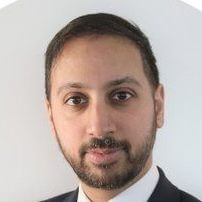
Dr Husain Shabeeh
BSc MBBS MRCP PhD CCDS – Consultant Cardiologist & Cardiac Electrophysiologist
Dr Shabeeh specialises in the investigation and management of heart disease. His NHS practice is based at one of London’s premier teaching hospitals.
Learn moreGet results that change your life
Every consultation starts with how you are now and what you’re trying to achieve – that’s how we get results that matter.
